01 / SEO consultant
SEO Consultant
Senior SEO consulting for businesses that need clear strategy, proper diagnosis, and expert guidance to grow organic visibility across Google and AI search.
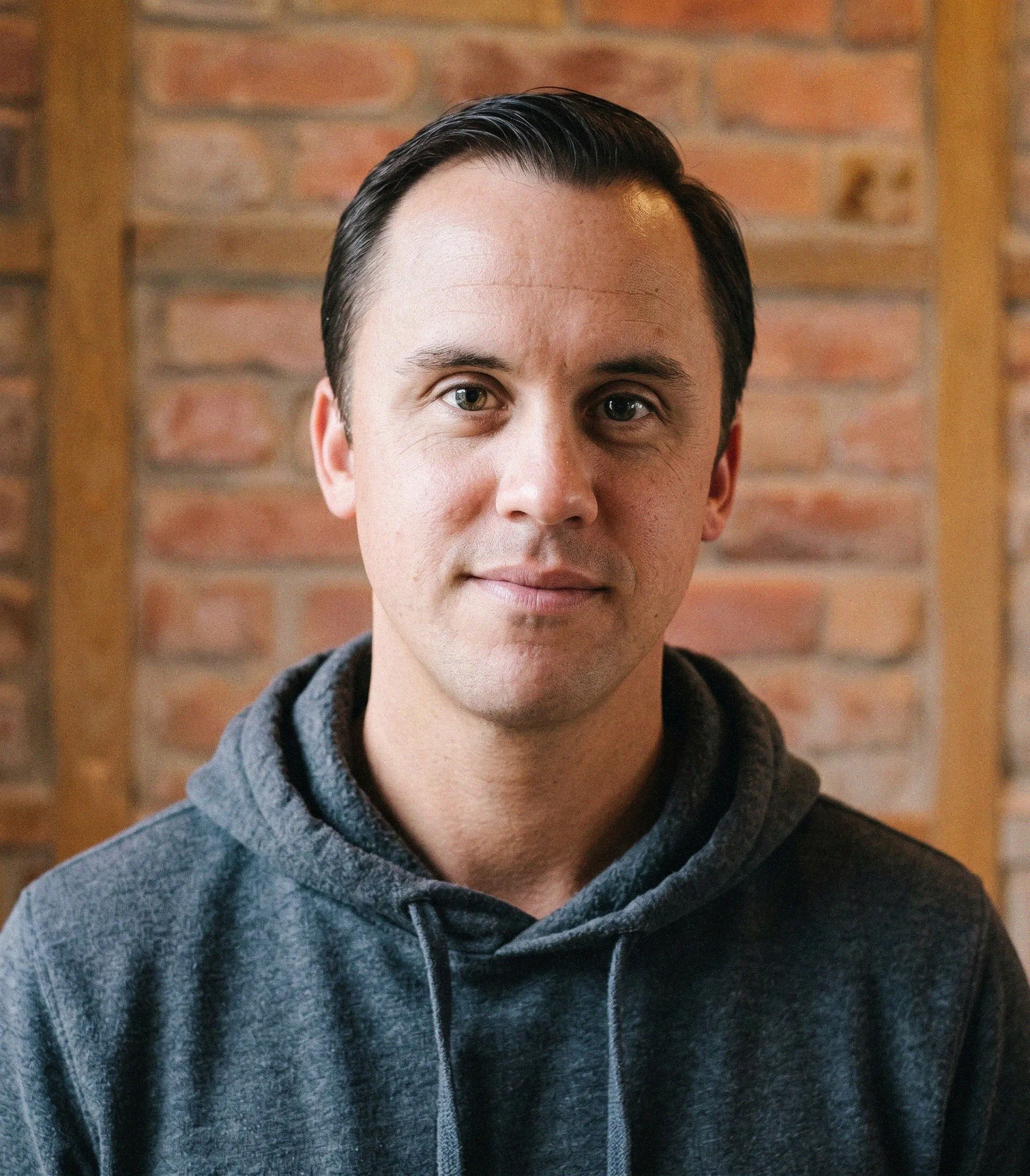
Rich Voller
Search Systems Architect
The shape of the problem
An SEO consultant helps a business understand what is holding search performance back, what matters most, and what to do next.
I work with businesses that need senior SEO thinking, not generic deliverables or recycled audit decks. That can mean technical diagnosis, search strategy, content direction, AI search readiness, or support through a high-risk SEO moment.
This is not an embedded leadership role. It is senior external expertise: applied clearly, prioritised honestly, and useful to the teams who have to act on it.
01
When an SEO consultant makes sense
An SEO consultant makes sense when a business needs experienced SEO input, but does not need a fully embedded leadership role. The distinction matters because the wrong type of engagement costs both money and time.
You need answers before you need a retainer
Not every SEO problem requires an ongoing commitment. Sometimes a business needs clear diagnosis, a prioritised recommendation, or an expert second opinion before deciding what to invest. An SEO consultant can provide that without locking you into months of managed activity.
Your team can execute but needs better direction
Internal marketers, content writers, and developers can do the work. What they need is someone with senior SEO experience to point the work in the right direction, review the output, and catch the decisions that would cause problems later.
SEO has become more complex than your current setup can handle
Technical SEO, search intent mapping, content architecture, structured data, AI search visibility, and Core Web Vitals are not one person's job anymore. An SEO consultant brings specialist depth to the parts of search that have outgrown generalist handling.
You need a senior view on Google and AI search together
Search is no longer just ten blue links. AI Overviews, LLM citations, and answer-driven results mean that visibility now depends on how well content is structured, attributed, and understood by machines. An SEO consultant who works across both sides of this is different from one who only does classic organic.
02
What an SEO consultant helps with
An SEO consultant covers the strategic, technical, and content decisions that determine whether a site grows its organic visibility or stays stuck. The specific scope depends on the business, but the common use cases fall into these areas.
Search strategy and prioritisation
Understanding which opportunities matter, which problems are actually worth fixing, and what order the work should happen in. An SEO consultant helps a business stop doing everything and start doing the right things.
Technical SEO diagnosis
Identifying the crawl, indexation, architecture, and rendering issues that suppress organic visibility. An SEO consultant translates those findings into clear, actionable guidance your development team can actually use.
Content direction and information architecture
Mapping search intent to the right pages, structuring content so it answers the right questions clearly, and making sure internal linking reinforces the topics and pages that matter most.
AI search and citation readiness
Reviewing how your site's content is structured for AI-powered retrieval — AI Overviews, LLM citations, Perplexity, ChatGPT — and making practical changes to entity signals, heading structure, and factual density.
Migration and recovery support
Providing senior SEO oversight during site migrations, relaunches, or redesigns, and diagnosing the cause of traffic drops after a change has already happened.
Audits and second opinions
Independent technical and strategic SEO reviews, including challenge sessions where existing agency recommendations or internal plans are stress-tested by someone with no stake in the output.
03
SEO consulting services
The work an SEO consultant does varies depending on the business, the problem, and the stage the project is at. Below is the full range of services available, broken into clear areas of scope.
Technical SEO consulting
Technical SEO consulting
An SEO consultant diagnoses and prioritises the technical issues that suppress organic visibility, waste crawl budget, confuse search engines, or break critical page signals. Deliverables include issue diagnosis, implementation guidance, developer-ready recommendations, QA support, and a prioritised action plan focused on what is actually worth fixing.
SEO strategy and prioritisation
SEO strategy and prioritisation
A clear SEO strategy identifies the gaps, opportunities, and constraints that matter for the specific business and search landscape. An SEO consultant builds the prioritised roadmap that gives internal teams a direction without burying them in low-value tasks.
Content strategy and page briefs
Content strategy and page briefs
Search intent mapping, query fan-out analysis, content gap identification, and page-level briefs that give writers the structure and direction to produce content worth ranking. Not a keyword list. A proper brief.
Information architecture and internal linking
Information architecture and internal linking
Reviewing and improving how pages relate to each other, how link equity flows through the site, and how to structure navigation and internal links so authority concentrates on the pages that matter.
AI search and LLM visibility consulting
AI search and LLM visibility consulting
An SEO consultant reviews how your content is structured for AI retrieval systems, improves entity signals and structured data, and makes changes that increase the likelihood of being cited in AI Overviews, ChatGPT, Perplexity, and similar answer systems.
Migration, redesign, and launch support
Migration, redesign, and launch support
Senior SEO oversight during platform migrations, domain changes, site relaunches, and structural redesigns. An SEO consultant provides pre-launch checks, redirect planning, crawl verification, and post-launch monitoring to protect organic visibility through the transition.
SEO audits and second opinions
SEO audits and second opinions
Comprehensive technical and strategic audits, independent of any agency relationship. Useful for businesses that want to validate existing work, challenge weak recommendations, or get an honest view of where organic performance actually stands.
Reporting, measurement, and troubleshooting
Reporting, measurement, and troubleshooting
Interpreting organic performance, identifying the actual cause of traffic changes, building clearer measurement frameworks, and providing the senior SEO analysis that turns data into useful decisions rather than just charts.
04
SEO consultant vs fractional SEO director
An SEO consultant and a Fractional SEO Director are different services designed for different situations. Understanding the distinction prevents a business from over-buying or under-buying the right type of support.
An SEO consultant is the better fit when a business needs expert diagnosis, a clear strategy, targeted recommendations, or specialist input on a specific problem. The relationship is external and focused, and does not involve running the internal SEO operation.
A Fractional SEO Director is the better fit when SEO needs to be actively led inside the business over time. That means embedded involvement: attending the right meetings, guiding teams, owning the roadmap, and making decisions at a leadership level.
The clearest question to ask is whether you need expertise applied to a problem, or leadership applied to a function. One is consulting. The other is a fractional hire.
SEO Consultant
Best when you need expert diagnosis, strategy, recommendations, or specialist input. External senior advisor focused on specific problems, reviews, audits, and strategic guidance. No embedded team role.
Fractional SEO Director
Best when you need ongoing leadership and cross-functional oversight. Embedded search leader attending meetings, guiding teams, owning strategic priorities, and taking operational responsibility for the SEO function.
05
Who this is for
Businesses that need senior SEO expertise without a full-time hire
An SEO consultant provides access to senior strategic and technical thinking on a project or advisory basis, without the cost and commitment of hiring a permanent SEO Director.
Marketing teams that want a second opinion before acting
Before committing to a significant change — a migration, a content overhaul, a platform switch — an independent SEO consultant review can prevent expensive mistakes and validate the direction.
Companies planning a migration, redesign, or site restructure
Site migrations done without proper SEO oversight cause traffic losses that are preventable. An SEO consultant provides the pre-launch checks, redirect planning, and implementation review that protect organic visibility through the transition.
Businesses dealing with technical SEO issues or stalled growth
When organic performance has plateaued or dropped and the cause is not obvious, an SEO consultant diagnoses the actual problem rather than treating the symptoms.
Teams adapting their content for AI search and citations
AI Overviews, LLM citations, and answer-driven search require different content structures from classic SEO. An SEO consultant helps teams adapt without abandoning the foundations that still drive organic traffic.
Agencies that need specialist SEO support behind the scenes
Agencies can bring in an SEO consultant to provide senior technical input, strategy review, or client-facing recommendations on projects that require more depth than the team can provide internally.
06
How SEO consulting works
Every engagement starts with the problem, not a package. There is no standard deliverable list applied regardless of what the business actually needs.
Start with the problem, not a package
The first step is understanding the context: where the business is, what it is trying to achieve, what is currently getting in the way, and what kind of support would be most useful. That conversation shapes everything else.
Diagnose what is actually blocking growth
Before making recommendations, an SEO consultant needs to understand the system. That means looking at technical infrastructure, content quality, search visibility data, user behaviour signals, and the gap between where the site is and where it needs to be.
Prioritise the work that matters most
Not every SEO issue is worth fixing. Not every opportunity is worth chasing. A prioritised roadmap tells the team what to do first, what to do next, and what to ignore — based on commercial impact rather than tool scores.
Support implementation where needed
Recommendations without implementation support often fail in execution. An SEO consultant can work directly with developers, content teams, or agencies to make sure the work is built correctly and reviewed before it goes live.
07
SEO consulting for Google and AI search
Search is no longer only ten blue links. AI Overviews, LLM citations, and answer-driven results now sit alongside traditional organic rankings, and visibility across both depends on how well content is structured, attributed, and understood by machines.
AI systems retrieve and compare passages, not just rank pages. That means the structure of content — how headings are written, how directly a section answers a question, how clearly entities are named — influences whether a passage gets selected and surfaced to users.
Structuring pages for clearer answers
Answer-first structure means the most important information appears at the start of a section, not buried in the middle. An SEO consultant reviews page structure and makes changes that improve both search engine understanding and AI extraction potential.
Aligning headings with fan-out query patterns
When a user query triggers a retrieval system, the system fans out into sub-questions and looks for sections that match. Heading language that closely mirrors those sub-questions is more likely to be cited. An SEO consultant helps identify and rewrite headings to match real query patterns.
Improving citation potential through answer-first content
Semantic self-containment means each section of a page makes sense on its own, without requiring the reader to have read everything before it. That is what makes content extractable. An SEO consultant reviews passage-level content for factual density and direct heading-to-answer matching.
Strengthening entity signals and structured data
AI systems use entity clarity to understand who is being talked about, what a page is about, and whether the source is credible. An SEO consultant reviews structured data, entity naming, and author attribution to improve how clearly the site is understood by AI retrieval systems.
Building pages that work for humans first and machines second
Citation-friendly formatting is not about writing for robots. It is about writing more clearly for people, in a structure that machines can also read easily. An SEO consultant applies these principles to content that already exists and to new pages being planned.
08
How I approach SEO consulting
There is a version of SEO consulting that produces a long report, hands it over, and moves on. That is not what useful consulting looks like.
The approach here is diagnosis before recommendation, systems before scattered tactics, and priorities based on commercial reality rather than tool scores.
Diagnose before recommending
Rich Voller does not arrive with a fixed framework and apply it regardless of context. The diagnosis comes first: understanding the specific business, the technical environment, the search landscape, and what is actually causing the problem before recommending anything.
Prioritise systems over scattered tactics
The most common SEO failure mode is disconnected activity — a list of tasks with no strategic logic, no prioritisation, and no sense of which lever matters most. Find the bottleneck, understand the cause, prioritise the fix, and measure the effect.
Make recommendations usable by real teams
A recommendation that cannot be implemented by the team in front of you is not a useful recommendation. Rich Voller works with the actual constraints of the business: budget, development capacity, content resource, and time.
Treat AI search as part of search, not a separate gimmick
AI Overviews, LLM citations, and AI-powered retrieval are extensions of the same fundamentals that have always driven good SEO: clarity, relevance, credibility, and structure. An SEO consultant who treats AI as a bolt-on misses how deeply it is now woven into how search actually works.
09
SEO Consultant FAQs
What does an SEO consultant do?
An SEO consultant diagnoses the problems holding a site's organic visibility back, identifies the highest-value opportunities, and provides the strategy, technical guidance, or content direction needed to improve search performance. An SEO consultant works externally, providing expertise and recommendations rather than running the internal SEO function.
How is an SEO consultant different from an SEO agency?
An SEO consultant provides senior, specialist expertise on a focused basis. An agency typically provides a managed team running ongoing execution across multiple channels. An SEO consultant is often better suited to diagnosis, strategy, audits, second opinions, and targeted problem-solving, rather than broad, ongoing execution management.
How is an SEO consultant different from a fractional SEO director?
A fractional SEO director takes an embedded leadership role inside the business: attending meetings, guiding teams, owning the SEO roadmap, and making decisions at a strategic level. An SEO consultant provides expert external advice and targeted support without that embedded operating responsibility. If you need leadership, the Fractional SEO Director service is the right fit.
Can an SEO consultant help with technical SEO?
Yes. Technical SEO consulting is one of the core areas an SEO consultant can cover. That includes diagnosing crawlability and indexation issues, reviewing site architecture, identifying JavaScript rendering problems, assessing structured data, and producing developer-ready recommendations that fix the issues causing the most damage.
Can an SEO consultant help with AI search visibility?
Yes. An SEO consultant with experience in AI search can review how your content is structured for AI retrieval, improve entity signals and answer-first formatting, and make changes that increase the likelihood of your pages being cited in AI Overviews, ChatGPT, Perplexity, and other AI-powered answer systems.
Do I need an in-house team to work with an SEO consultant?
Not necessarily. An SEO consultant can work with in-house teams, agencies, freelancers, or a combination. What you need is some capacity to act on recommendations. Whether that is internal developers, a content team, or an existing agency. Advice with no one to implement it has limited value.
Is SEO consulting project-based or ongoing?
SEO consulting can be either. A project engagement might focus on a single audit, migration, or strategy document with a clear deliverable. Ongoing advisory gives a business regular access to senior SEO thinking over time. The right structure depends on the business, the problem, and what stage the work is at.
Can an SEO consultant support a migration or redesign?
Yes. Migration support is one of the highest-value uses of an SEO consultant, because the cost of getting a migration wrong is significant and largely avoidable. An SEO consultant provides pre-migration planning, redirect strategy, technical SEO requirements, pre-launch checks, and post-launch monitoring to protect organic visibility through the transition.
Need an SEO consultant who can diagnose the problem properly, set the right priorities, and help your team act on them?
Tell me what you are trying to improve, where search performance is getting stuck, and what kind of support would be most useful.
Related services
View all servicesFractional SEO Director
Fractional SEO Director support for growing businesses that need senior strategy, technical leadership, team oversight, and clearer organic growth priorities without hiring a full-time SEO Director.
Read moreTechnical SEO
Technical SEO consulting for businesses that need proper diagnosis, prioritised fixes, migration support, crawlability, structured data, and architecture work.
Read moreSEO Advisory
SEO advisory for marketing directors, CMOs, agencies, and in-house teams that need senior strategic input without a full managed retainer.
Read more